Concrete and masonry are ancient trades with hazards that sneak up on you: wet concrete can burn skin hours after contact, silica dust scars lungs permanently, and the formwork holding a fresh pour can fail in seconds. This one-hour, OSHA-aligned course walks through those hazards and the practical controls that keep crews safe.
Concrete and Masonry Safety (OSHA) Training Course Description
Concrete and masonry are among the oldest trades on earth, but the materials that built the world carry hazards that are easy to underestimate. Wet concrete can burn skin hours after contact, fine silica dust can scar lungs permanently, and the temporary structures supporting a fresh pour can fail in seconds.
This OSHA-aligned course walks through those hazards and the practical controls that keep concrete and masonry workers safe.
Course Content
This course includes the following topics:
The rules and who is responsible for what on site
The chemical and skin hazards of wet concrete and mortar
Silica dust and what it does to your lungs
Controlling silica and dust exposure
Formwork, falsework, and shoring: why they fail
Rebar, concrete pumps, and placement equipment hazards
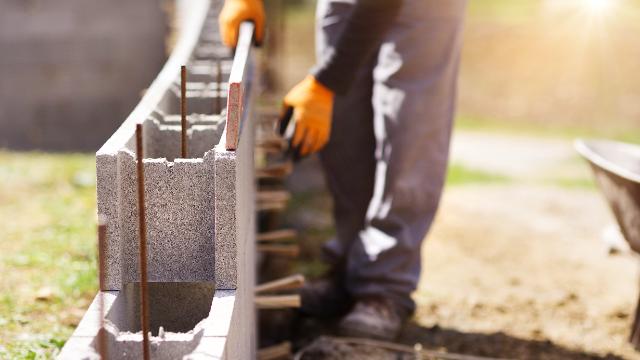
Masonry work and safe manual handling
Falls, scaffolds, and working at height
The PPE concrete and masonry workers need
What You Will Learn
By the end of this course, you will be able to:
Describe how OSHA divides safety duties across a worksite
Recognize the chemical burn and skin hazards of wet concrete and mortar
Explain what respirable crystalline silica is and why it is so dangerous
Identify the main controls that keep silica dust out of your lungs
Recognize why formwork, falsework, and shoring fail, and who is responsible
Identify the hazards of rebar, concrete pumps, and placement equipment
Describe safe manual handling for heavy masonry materials
Recognize fall and scaffold hazards and the protections against them
List the PPE commonly required for concrete and masonry work
Why Concrete and Masonry Safety Training Matters
Concrete looks harmless, but wet concrete is caustic enough to burn skin, and the silica dust from cutting or grinding cured concrete scars lungs permanently. Add in the temporary structures holding up fresh pours, the rebar waiting to impale someone who trips, and the pumps running at thousands of PSI, and concrete work deserves more respect than it usually gets.
This OSHA-aligned course is for concrete finishers, masons, laborers, pump operators, and supervisors on concrete and masonry jobs. It walks through the chemical, respiratory, structural, and ergonomic hazards of the trade and the practical controls that keep crews safe from the batch plant to the final trowel.
Course details (as of October 2026): This course takes about 60 minutes to complete. You need a score of 80% to pass, and you have three attempts at the final test.